Nihal Singh
Founding Research Engineer, Flucta AI
Ph.D. in Computer Engineering from UC Santa Barbara, U.S. Citizen
Building the next generation of energy-efficient AI through hardware–software co-design, from accelerator architecture to LLM inference.
Fig. 1 Live
A grid of interacting spins (a 2-D Ising model) just above its critical temperature, sampled by simulated p-bits. Dots are up-spins; bare paper is down-spins.
About

I am a U.S. Citizen with a Ph.D. in Computer Engineering from UC Santa Barbara, passionate about building the next generation of AI systems.
My work sits at the intersection of machine learning, computer architecture, and systems engineering. I am interested in AI hardware–software co-design, efficient inference, accelerator architectures, CUDA optimization, and scalable infrastructure for large-scale AI.
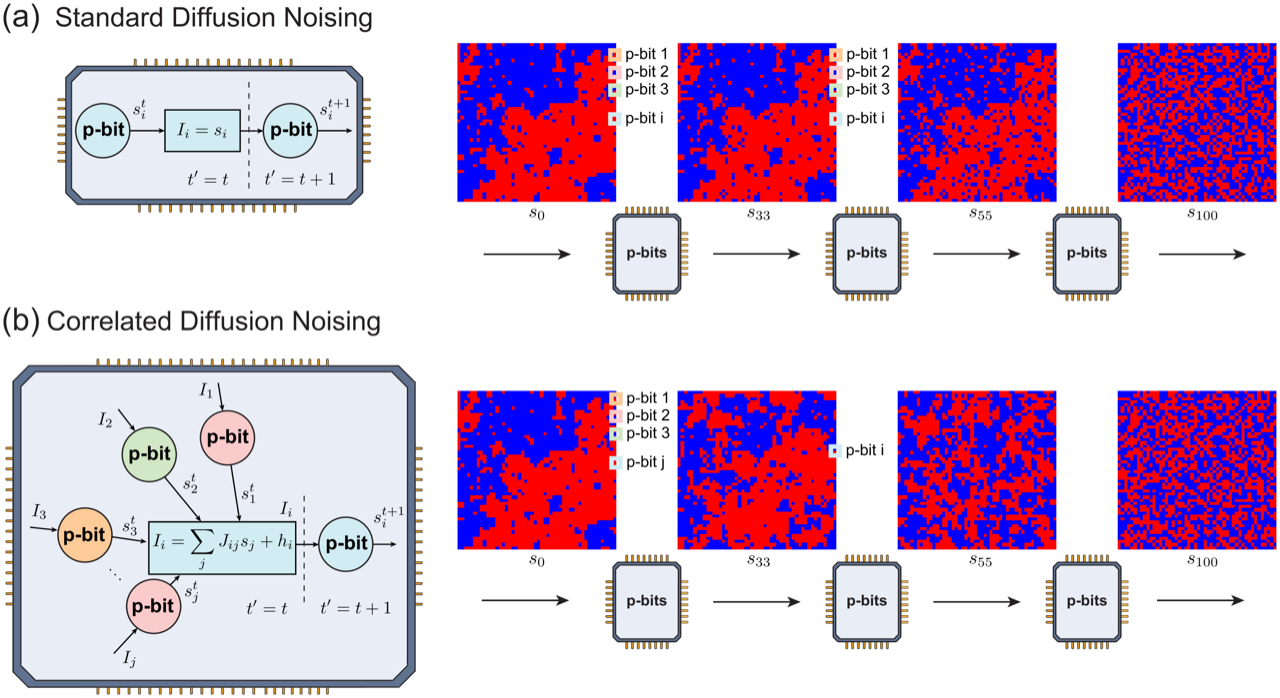
My doctoral research spans diffusion models, probabilistic machine learning, and energy-efficient accelerator design, with a focus on translating machine learning algorithms into practical, high-performance computing systems.
I am excited by opportunities to help shape the future of AI infrastructure through close integration of algorithms, software, and hardware.
What I offer
-
AI/ML
- Efficient LLM inference and diffusion models
- Probabilistic, physics-inspired machine learning
-
Algorithms
- Hardware-aware Monte Carlo sampling and optimization solvers
- Energy-based and physics-informed models
-
Systems
- LLM and diffusion model hardware–software co-design
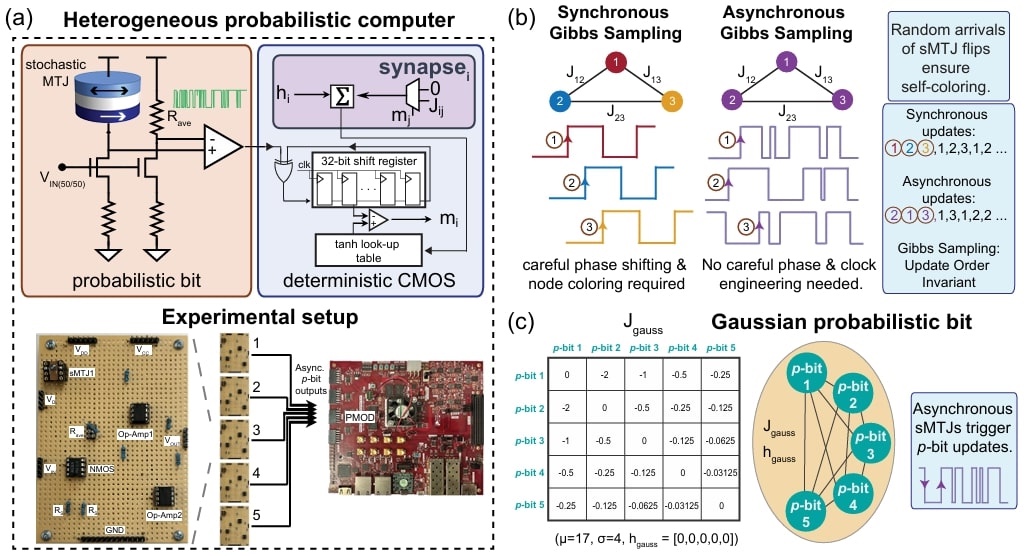
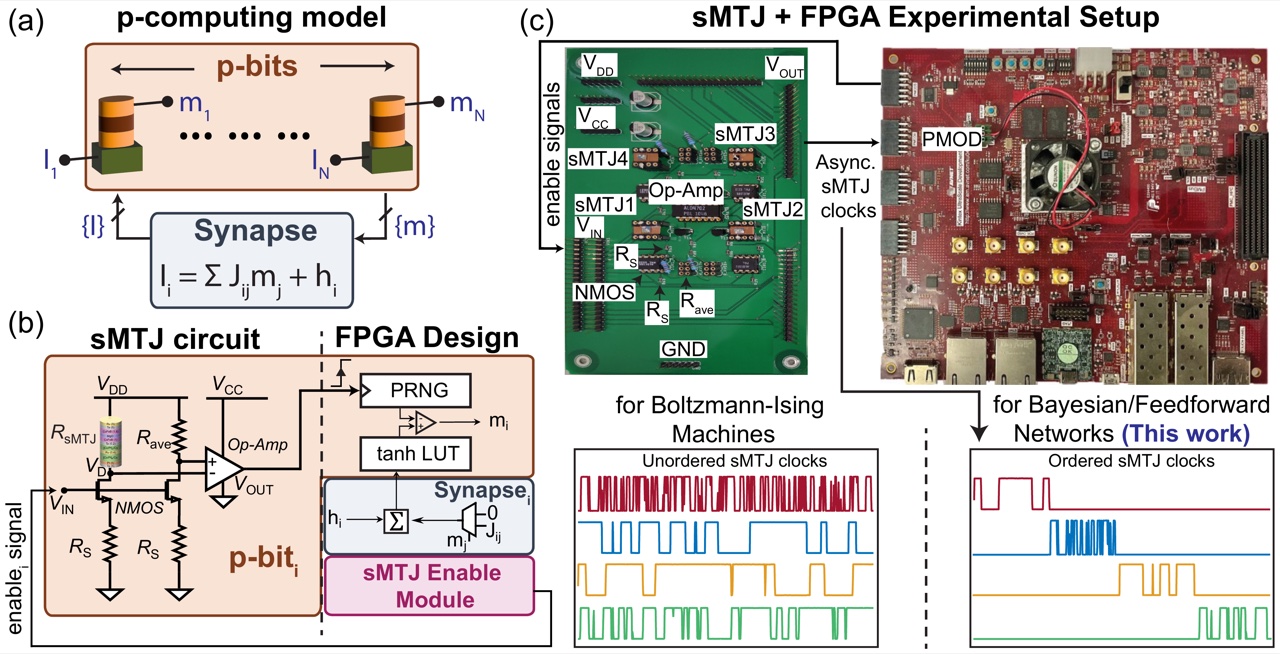
- Heterogeneous accelerators (GPU/FPGA/sMTJ/
CMOS/CPU)
-
Circuits
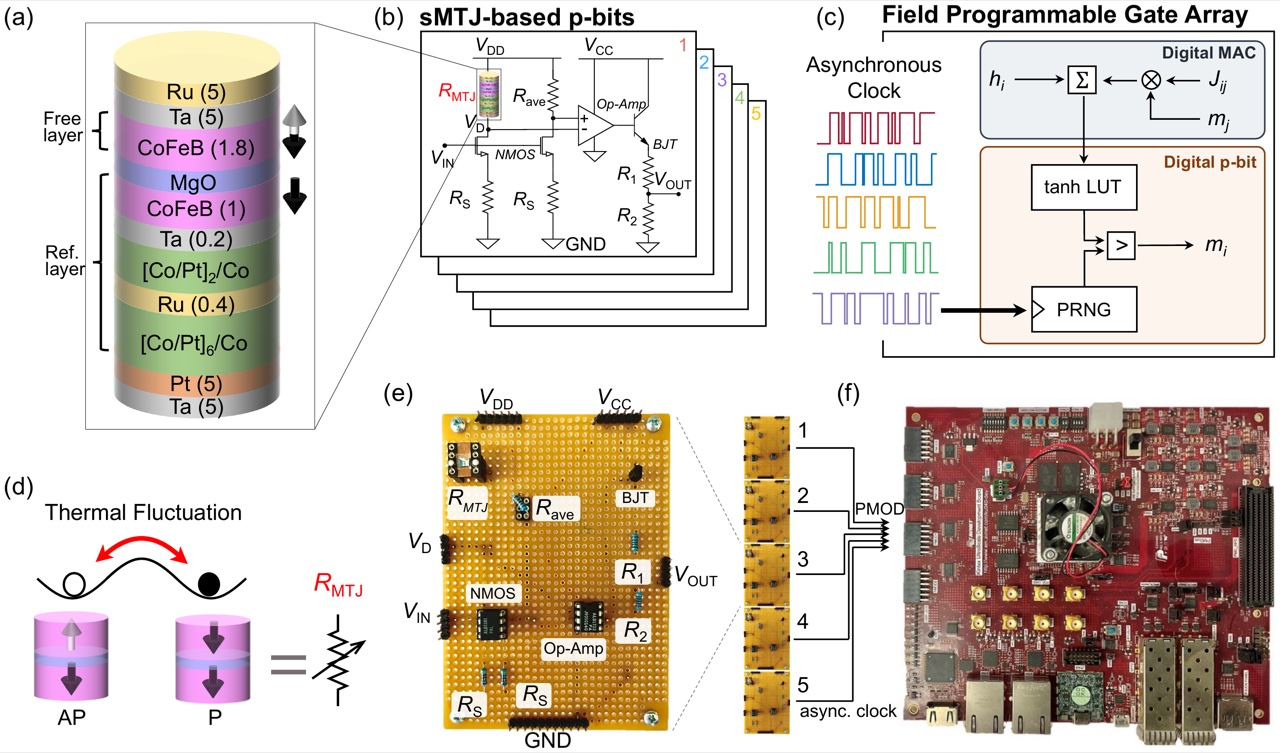
- Designing and prototyping probabilistic circuits
- Analog/RF and digital ASIC design (Cadence, Spice, Verilog)
-
Devices
- Device–circuit co-design with sMTJs and CMOS
Publications
-
-
-
 © 2024 IEEE
-
 © 2023 IEEE
For more notes, ideas and projects (opens in a new tab)
Contact
Follow my research or reach out about collaborations.